
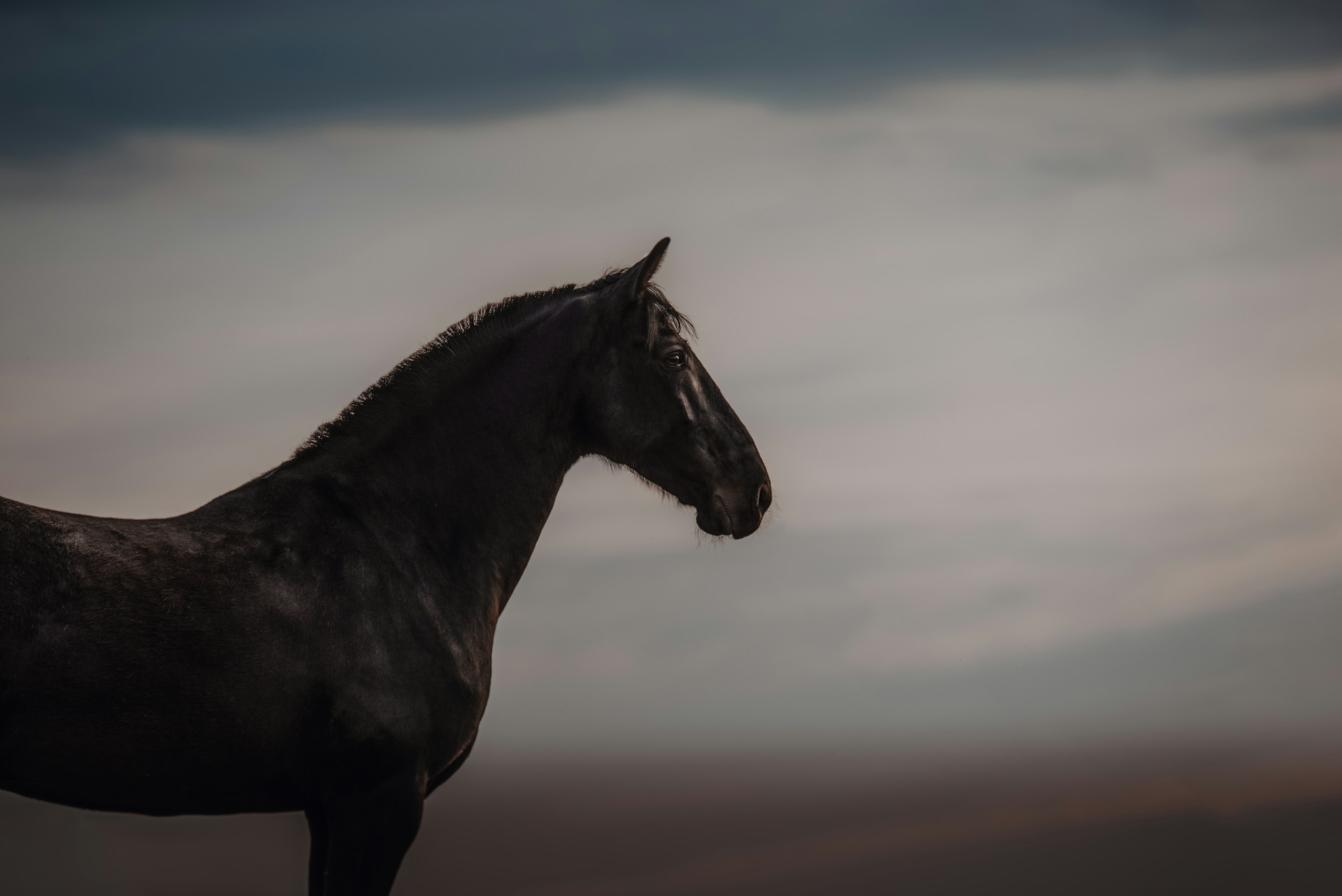
The Third Seal — Darkness and Famine of the Word
When the third seal is opened, the living creature once again calls out, “Come and see.” (Revelation 6:5)
John then records what he sees. He writes: “So I looked, and behold, a black horse, and he who sat on it had a pair of scales in his hand.” (Revelation 6:5)
Black represents the absence of light. Throughout Scripture, darkness consistently symbolizes the absence of truth and the rejection of God’s ways. Notice what these Scriptures say:
“The people who walked in darkness have seen a great light.” (Isaiah 9:2)
“Woe to those who call evil good, and good evil; Who put darkness for light, and light for darkness.” (Isaiah 5:20)
“And this is the condemnation, that the light has come into the world, and men loved darkness rather than light, because their deeds were evil.” (John 3:19)
“I am the light of the world. He who follows Me shall not walk in darkness, but have the light of life.” (John 8:12)
The seals build on one another. After the gospel advances in the first seal, persecution follows in the second seal. And after persecution comes compromise—the darkness of the third seal. Historically, this is the period when Christianity became accepted and popular. Large numbers entered the church, but many brought unbiblical traditions with them. Truth became diluted with error, and spiritual darkness spread.
Even so, Christ is still riding. He remains in control and continues to guard His faithful people. Yet He allows human choice, and with those choices come consequences.
The scales in Christ’s hand speak first of judgment.
“You have been weighed in the balances, and found wanting.” (Daniel 5:27)
“By Him actions are weighed.” (1 Samuel 2:3)
“The Lord weighs the spirits.” (Proverbs 16:2)
But scales also speak of famine—when food must be carefully measured and rationed.
“A quart of wheat for a denarius, and three quarts of barley for a denarius.” (Revelation 6:6)
A denarius represents a full day’s wage, yet it purchases only a small amount of food. This is the language of scarcity. Amos explains the deeper, spiritual meaning:
“Behold, the days are coming, declares the LORD God, that I will send a famine on the land, Not a famine of bread, Nor a thirst for water, But of hearing the words of the Lord.” (Amos 8:11)
This seal describes Truth becoming scarce—not because it no longer exists, but because it is no longer faithfully taught.
Yet God draws a clear boundary. He says,
“Do not harm the oil and the wine.” (Revelation 6:6)
The oil represents the Holy Spirit. The wine represents the blood of Christ and salvation through His sacrifice. Even in times of darkness, God protects what is essential. He preserves His Spirit and the saving work of Christ.
The third seal offers us encouragement. Even on the black horse, Christ is still riding. Even when error spreads and truth is diluted, Christ has not abandoned His people. He continues to guide history toward its appointed end.
The first seal shows the gospel conquering. The second shows rejection and persecution. The third reveals darkness and a famine of the Word. Yet running through all of them is the same unchanging truth: Christ is in control. John tells us this again in chapter 17:
“These will make war with the Lamb, and the Lamb will overcome them, for He is Lord of lords and King of kings.” (Revelation 17:14)
The message of the seals does not promise an easy road, but it does declare a certain outcome. God wins. Christ reigns. And those who remain with Him will be carried all the way to the end.
Dwayne Toppenberg is a retired pastor who has dedicated over 10,000 hours to the study of the book of Revelation. He currently serves as an elder at the Metropolitan Seventh-day Adventist Church in Michigan.