
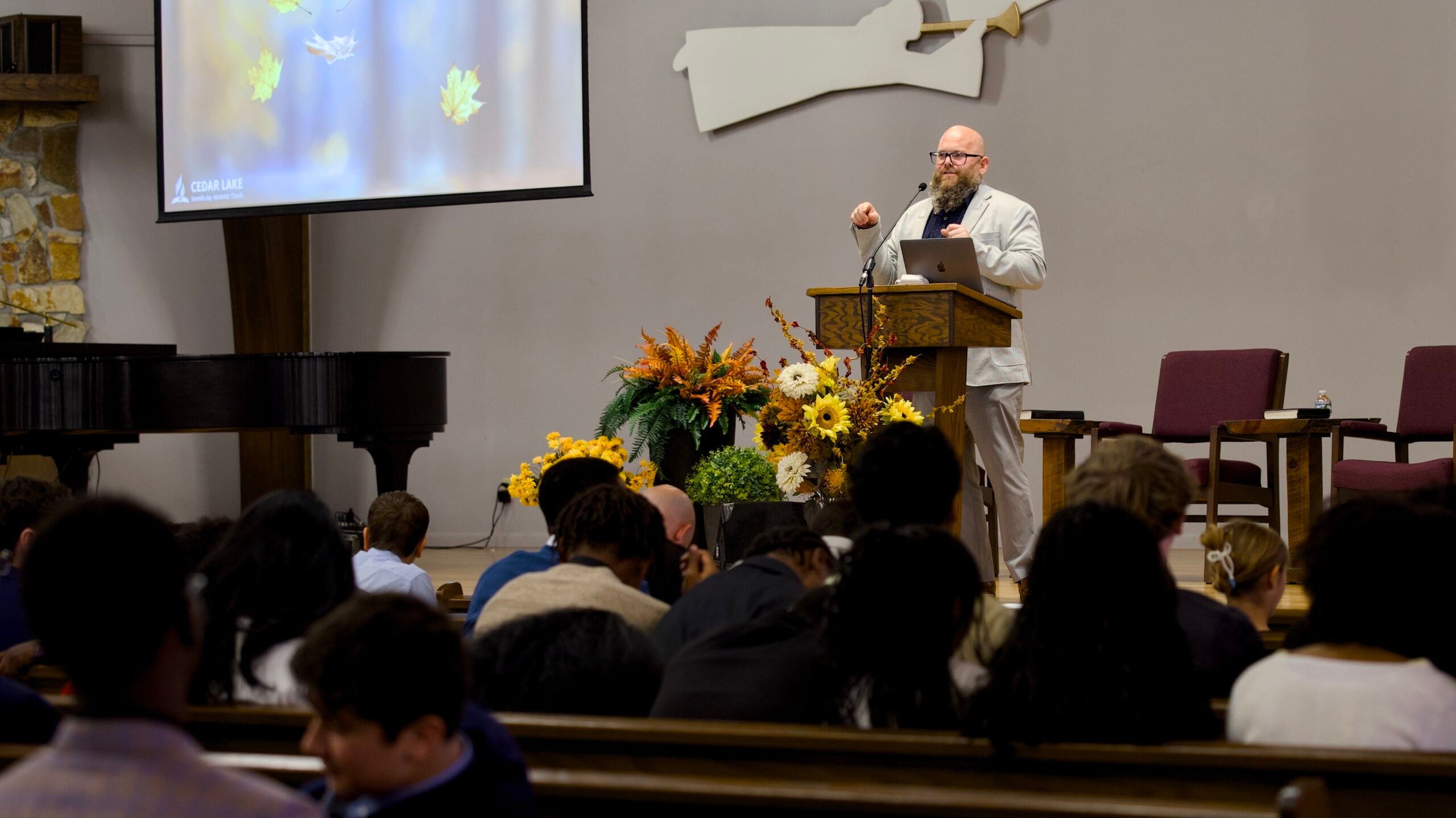
Students and church members explore the relationship between religious liberty, biblical prophecy, and practical Christianity.
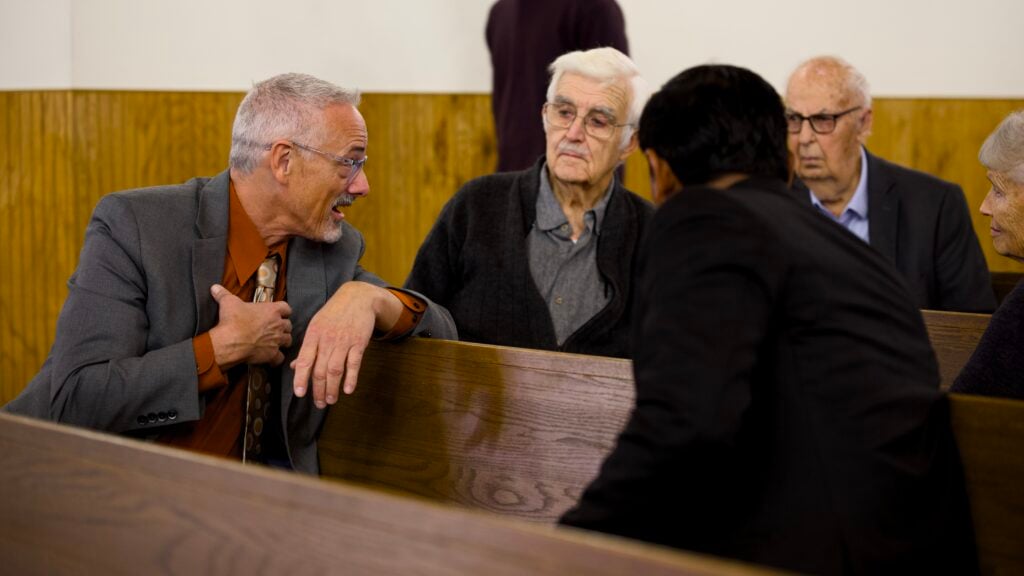
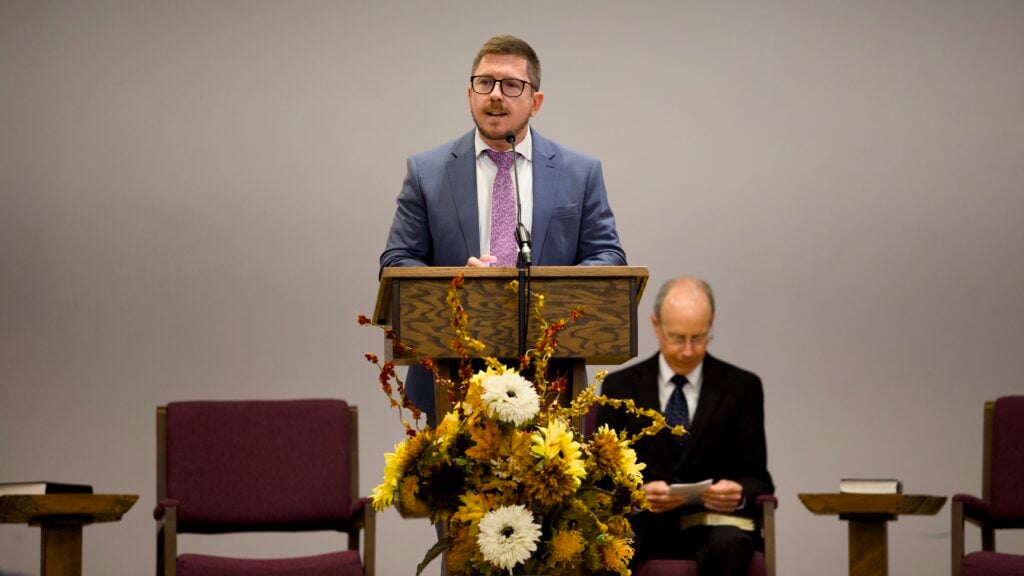
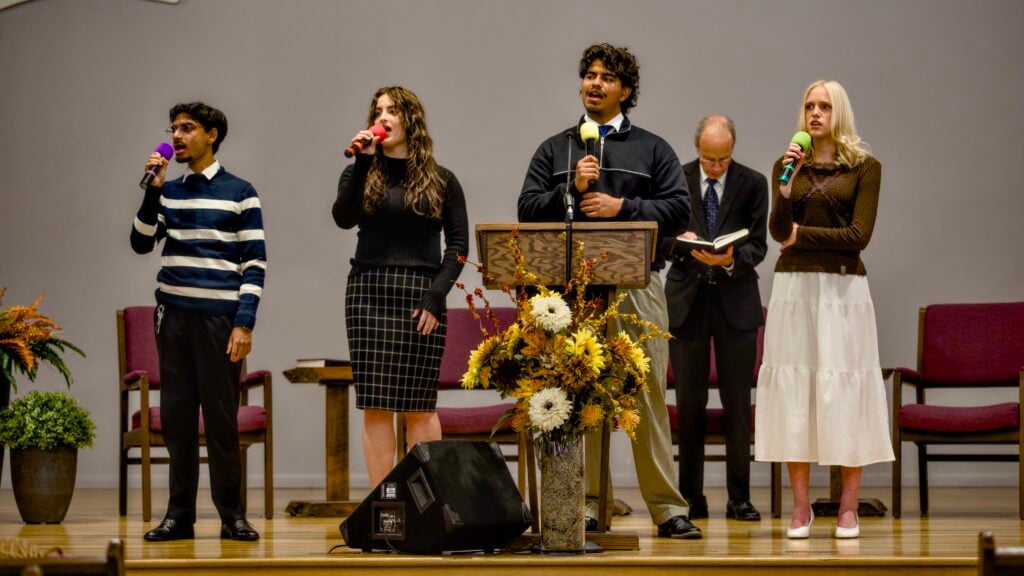
Great Lakes Adventist Academy (GLAA), in partnership with the Michigan Conference Public Affairs and Religious Liberty (PARL) Department and the Cedar Lake Seventh-day Adventist Church, hosted a special Religious Liberty Weekend, October 30–31. The two-day event brought students and church members together to explore the biblical foundations of religious liberty, the dangers of uniting church and state, and the responsibility of Christians to reflect the character of Christ in their daily lives.
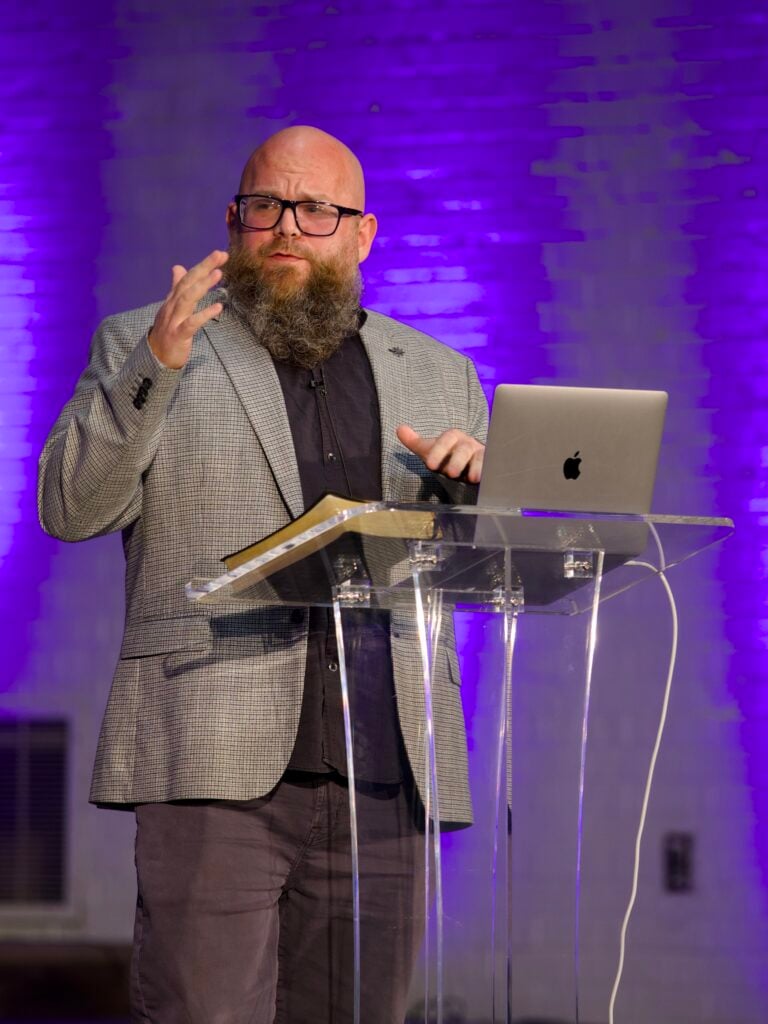
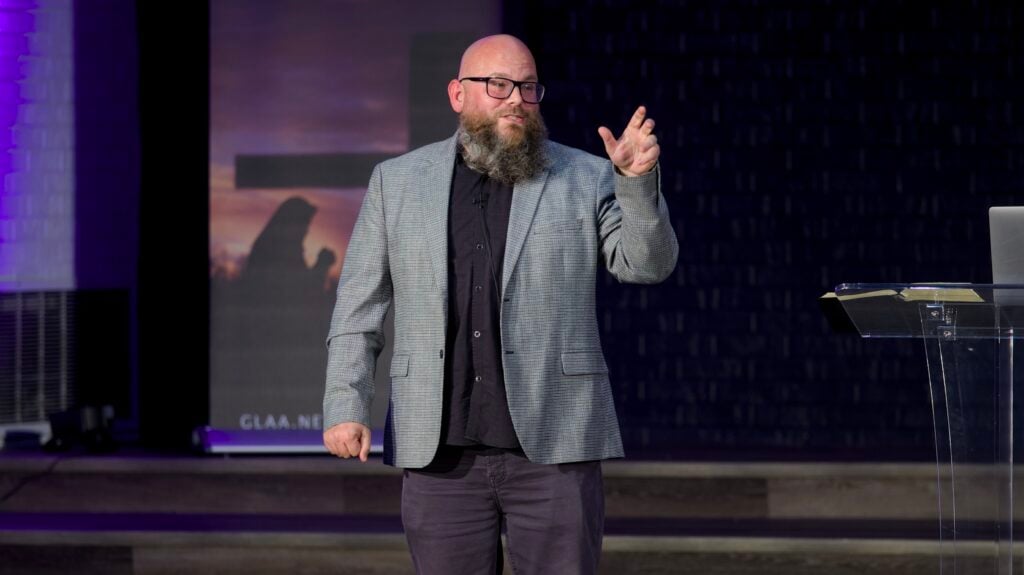
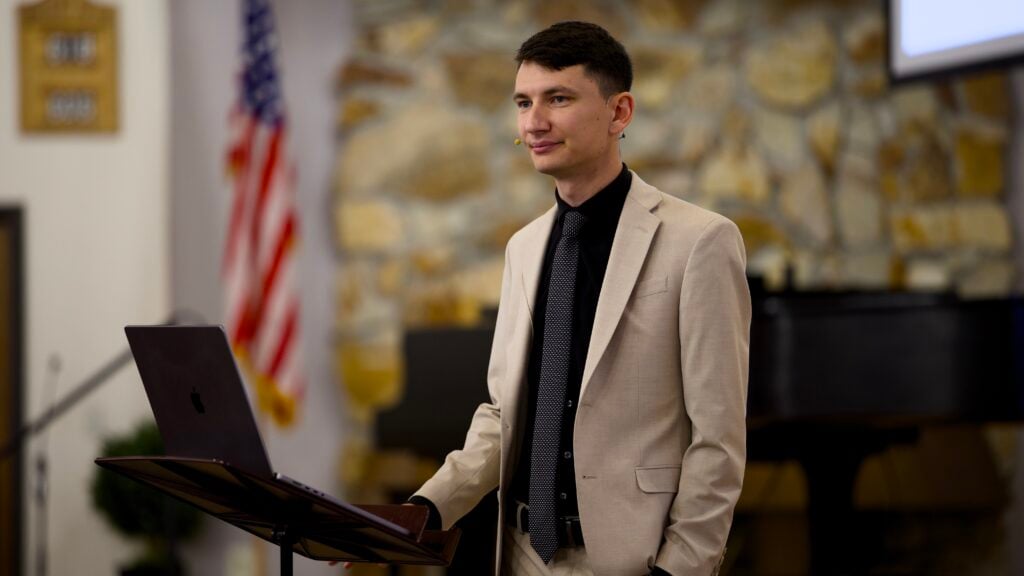
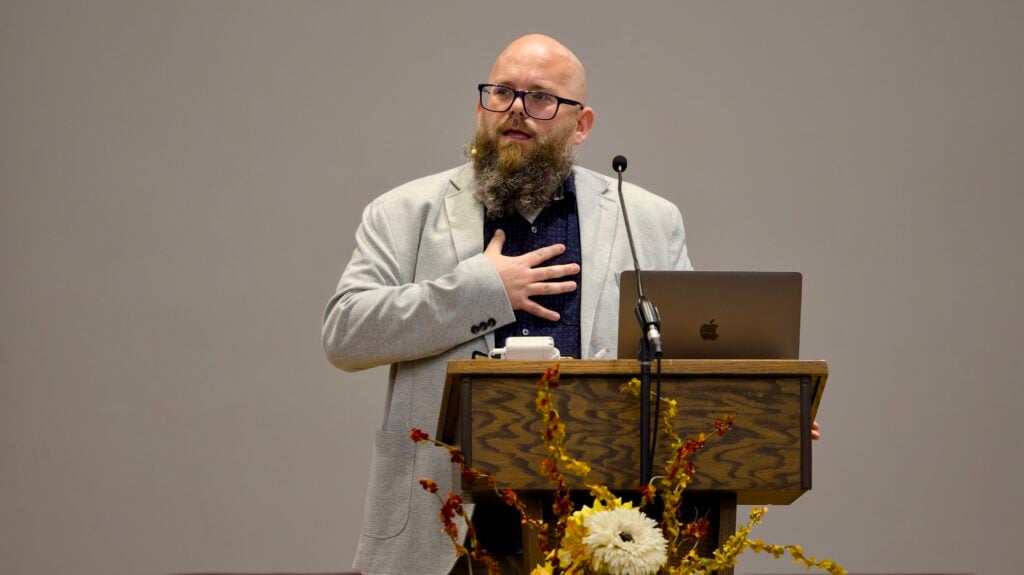
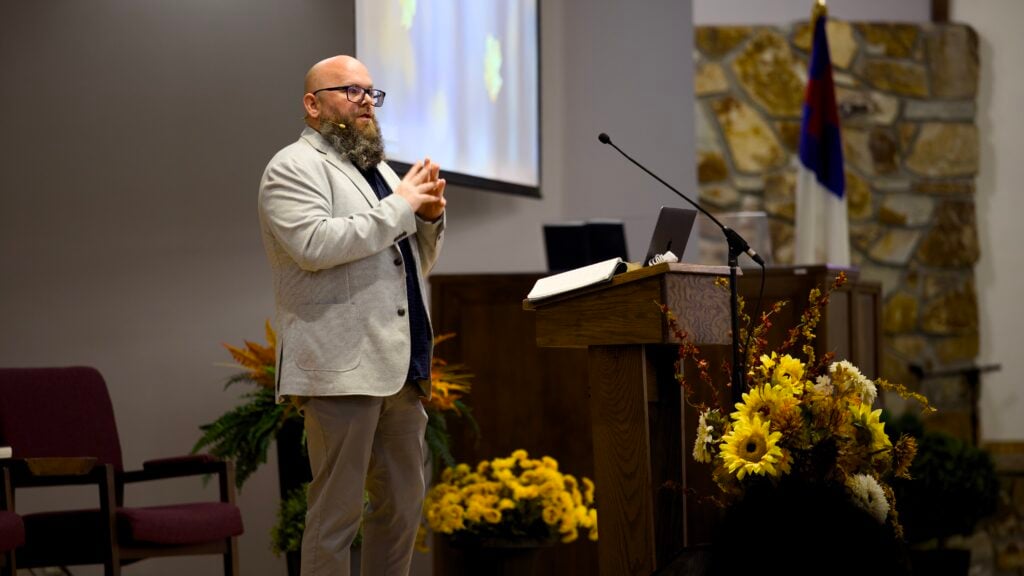
Pastor Nathaniel Gibbs, the weekend’s featured speaker, presented a two-part series titled “Why I Am an Adventist.” Rather than approaching Adventist prophetic interpretation solely as a study of historical events and dates, Gibbs challenged attendees to consider what it means to live faithfully during the time of judgment.
Friday evening’s presentation focused on Daniel 7 and 8 and the Adventist understanding that the heavenly judgment began in 1844. Gibbs emphasized that understanding when the judgment began is important, but equally important is understanding how God’s people should live during this period of earth’s history.
Turning to Matthew 24 and 25, Gibbs explored Jesus’ teachings about the end times, beginning with Christ’s reference to the abomination of desolation spoken of by Daniel. He then examined four parables that describe the character and conduct of those awaiting Christ’s return.
Together, these parables present a picture of faithful Christianity: servants who responsibly care for others, believers who maintain a living connection with Christ, individuals who develop and use the talents God has entrusted to them, and followers of Jesus who demonstrate their faith by ministering to those in need.
The message challenged attendees to recognize that living in the judgment hour involves more than understanding prophecy. It requires a practical, daily commitment to living like Jesus.
On Sabbath morning, Gibbs continued the series by turning to Revelation 12, 13, and 17. Building on Friday evening’s presentation, Gibbs drew parallels between the unfaithful servants in Jesus’ parables and the oppressive forms of Christianity portrayed in Revelation, contrasting both with the faithful servants who reflect the character of Christ.
He explored the prophetic warnings concerning the union of church and state, emphasizing how religious institutions can depart from Christ’s example when they seek political power or use governmental authority to enforce religious convictions.
Gibbs also challenged Seventh-day Adventists to examine their own attitudes and practices. While Adventists have identified the dangers of spiritual Babylon in Bible prophecy, he cautioned that the attitudes associated with Babylon can also find their way into the church. Religious identity alone does not guarantee faithfulness to Christ. God’s people must demonstrate His character in the way they treat others, particularly those with whom they disagree.
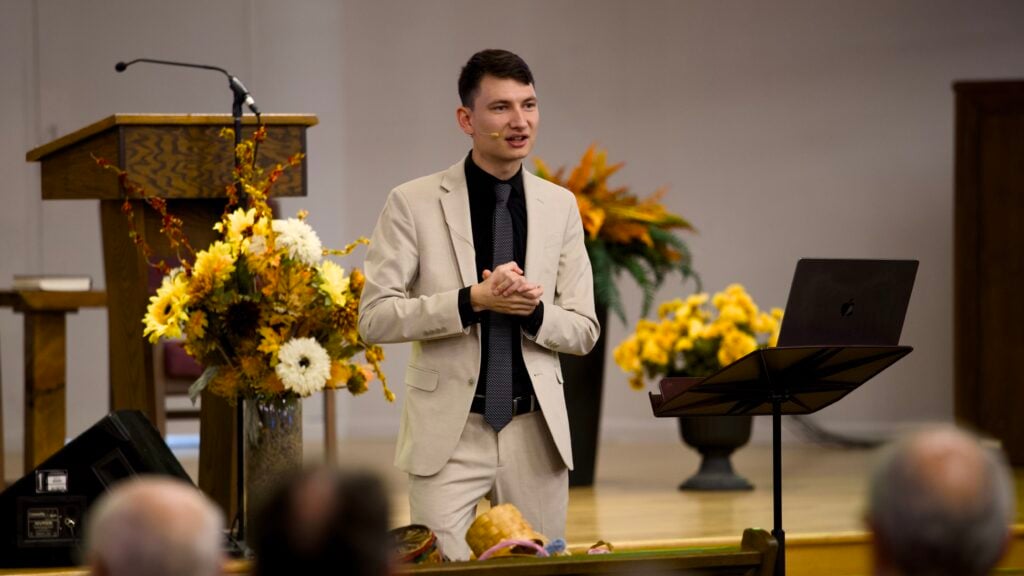
The Sabbath School program continued this exploration of religious liberty by examining the Christian’s relationship to civil government. Pastor Thomas Mayhew, who serves the Houghton, Greenland, and L’Anse Seventh-day Adventist churches, led students in a discussion of the biblical principles governing that relationship.
Using Jesus’ instruction to “render to Caesar the things that are Caesar’s, and to God the things that are God’s” (Mark 12:17), Mayhew invited students to consider how Christians can respect governmental authority while remaining faithful to God.
Students discussed whether Jesus’ response to the Pharisees was simply a clever answer to a difficult question or a deliberate statement about the distinct responsibilities believers have toward God and civil government. They also considered Romans 13:1–7 and Acts 5:29, exploring how Christians can honor civil authorities while recognizing that obedience to God must remain their highest priority.
The discussion reinforced an important biblical principle: Christians have responsibilities to both God and government, but those responsibilities are distinct and must not be confused. Students were encouraged to consider how these principles apply to contemporary questions of religious liberty and personal conscience.
Following the worship services, GLAA provided lunch in the academy cafeteria before students and church members participated in a voluntary afternoon of community outreach.
Participants went door to door distributing Liberty magazine, the Seventh-day Adventist Church’s longstanding publication dedicated to religious freedom, along with invitations to the Cedar Lake Church’s Night of Reformation, a community outreach event.
The community event featured a family-friendly, interactive tour through the life of Martin Luther, introducing visitors to the Protestant Reformation and the historical struggle for freedom of conscience.
The outreach provided an opportunity for students to put the principles discussed throughout the weekend into practice. Rather than simply learning about religious liberty as a theological or historical subject, they participated in sharing its importance with their neighbors.
The weekend reflected a central conviction of the Seventh-day Adventist understanding of religious liberty: freedom of conscience is rooted in the character of God, who invites individuals to follow Him through conviction rather than coercion.
By connecting biblical prophecy, practical Christianity, and community engagement, the event encouraged students and church members to see religious liberty not merely as a concern for the future, but as a principle that should shape how Christians live and serve today.
Daniel McGrath serves as the director for Public Affairs and Religious Liberty for the Michigan Conference.











Photos courtesy of Alex Winkler